
Sixty-Three Words That Almost Changed America
On the same July afternoon Congress voted for independence, New Jersey quietly passed a constitution that let women and free Black men vote — for thirty-one years, until a county courthouse dispute took it all back.

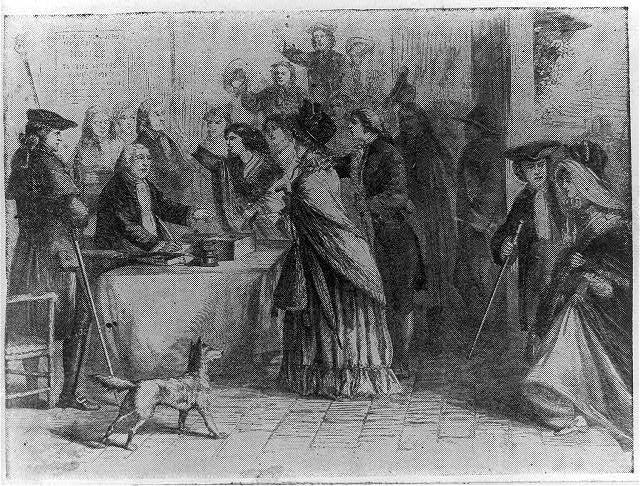
The men gathered at the Old Barracks in Trenton had a problem no one had ever solved.
It was late June 1776 and New Jersey was falling apart. The royal governor had been arrested and shipped to Connecticut. The Continental Congress was in Philadelphia, days away from voting on independence. British warships had appeared off Sandy Hook. And the colony — soon to be a state — had no legal structure for anything. No legitimate legislature. No courts. No way to raise money for its militia.
A five-man committee sat down to draft a constitution. They had ten days.
By the afternoon of July 2, 1776, they had finished. That same afternoon, in a room seventy miles south, the Continental Congress voted twelve delegations to none for independence. Neither body knew what the other had done.
The New Jersey constitution the committee produced was ordinary in most ways — three branches of government, a bicameral legislature, an elected governor with limited powers. Article IV was different.
"All inhabitants of this Colony," it read, "of full age, who are worth fifty pounds proclamation money, clear estate in the same, and have resided within the county in which they claim a vote for twelve months immediately preceding the election, shall be entitled to vote."
Sixty-three words. Property was mentioned. Age was mentioned. Sex was not. Race was not.
The men who wrote it knew what they were doing. New Jersey had a large Quaker population — a religious tradition that had always given women a formal political voice. It also had a substantial community of free Black landowners who had been paying taxes in the colony for a century. The property requirement of £50, held free and clear, was meaningful. It excluded the desperate and the transient. What it did not exclude was anyone else.
And so, on election day in 1776, and every election for the next thirty-one years, the polling places of New Jersey were open to anyone who could meet the fifty-pound test.
Unmarried women could own property under English common law. Married women could not — the doctrine of coverture merged their property into their husband's estate. So the women who came to vote were widows, spinsters, and inheritors, along with the daughters and sisters of men who trusted them with a deed. Free Black men who met the property test voted alongside them.
For a generation, no one thought much of it.
Then came the 1790s. The country split into Federalists and Republicans. Elections got tighter. Political parties got organized. And someone in Essex County looked at the county's small but growing bloc of female freeholders and realized they could be turned out.
By the presidential election of 1800, women were voting in numbers that shifted county-level races. Newspapers printed campaign appeals addressed to "the female freeholders." Party operatives on both sides organized carriages to bring women to the polls. In an 1802 township election in Essex County, the poll book recorded thirty-three women voting — enough to decide the race by a margin of eight.
By 1806 the political class was nervous.
In October of that year, Essex County held a special election to decide where to build a new county courthouse — either Newark or Elizabeth. The election was chaos. Voters were shuttled between polling places. Ballots were counted twice. Poll books were later found to include the names of men who had never voted, and the names of dead men who obviously hadn't. Both factions accused the other of fraud. Both factions accused women — and free Black voters — of being the tools of that fraud.
The Essex County corruption case became a scandal. In November 1807, the state legislature acted.
The statute did not repeal Article IV. It simply "clarified" who counted as an inhabitant. Going forward, a voter had to be a "free, white, male citizen" of the state, twenty-one years old, and worth £50.
There was no legislative debate. No public outcry. No women marched on Trenton and no free Black landowners went to court. The vote for the new law was almost unanimous — the same men who had been running elections through the female freeholders for a decade voted, one after another, to make it illegal.
For 113 years after that November, no woman in America voted in a general election. The Nineteenth Amendment was ratified in 1920 — after the deaths of every voter who could have remembered.
Also On This Day...
1976: Vietnam Officially Reunites Under Communist Rule
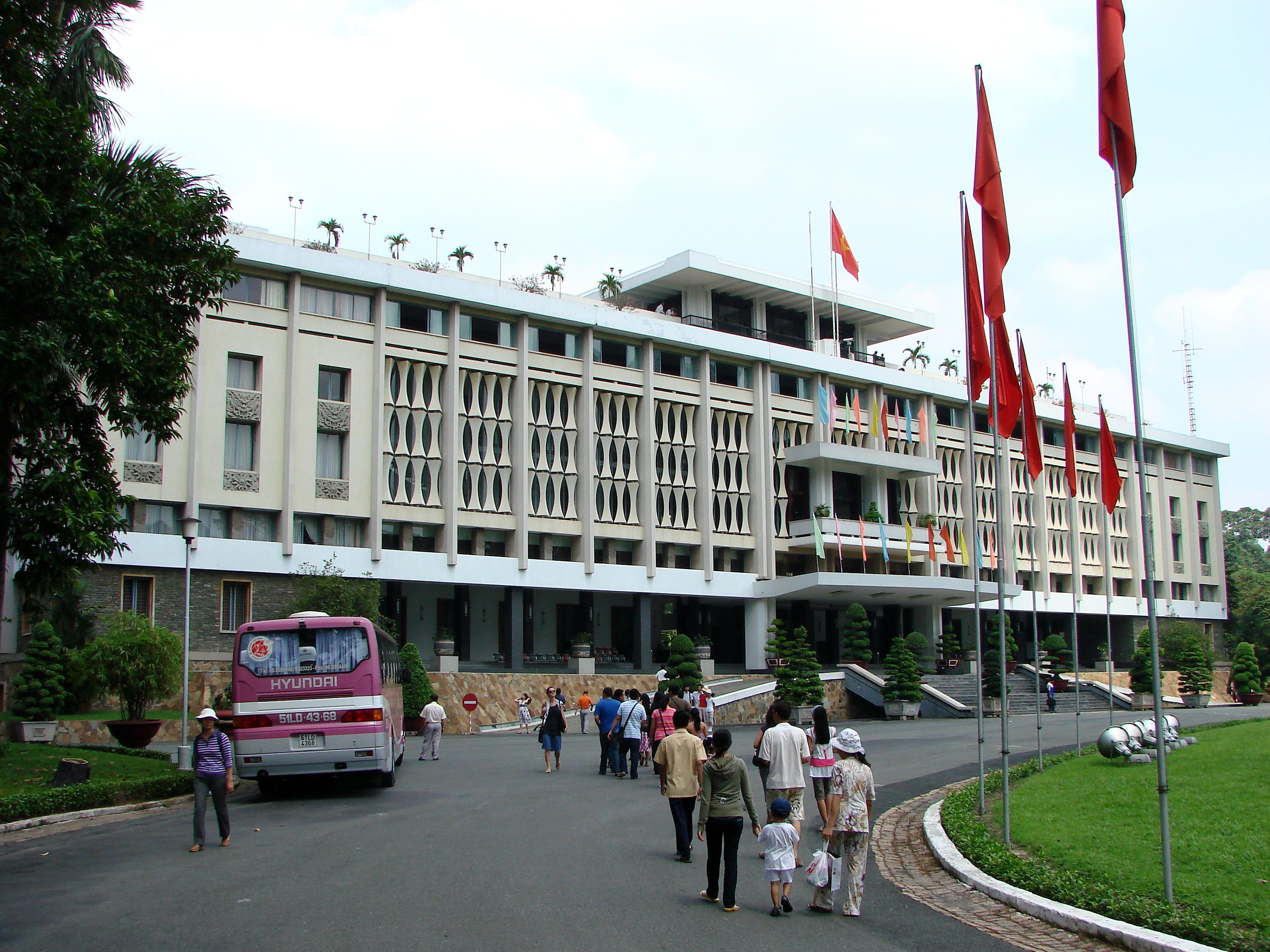
Fourteen months after the last helicopter left the roof of the American embassy in Saigon, the National Assembly in Hanoi voted to dissolve the two Vietnams and create the Socialist Republic of Vietnam. Saigon was renamed Ho Chi Minh City the same day. What followed the formal reunification was harsher than the war: hundreds of thousands of former South Vietnamese officers, teachers, and priests were sent to re-education camps for years, and roughly 1.5 million people fled by boat between 1975 and the mid-1980s. Reforms called Đổi Mới in 1986 finally opened the economy to markets and quietly abandoned the version of communism that had won the war.
1779: British Fleet Defeated in the Caribbean
Off the coast of Grenada, a French squadron under Admiral d'Estaing turned back a smaller Royal Navy force under Admiral Byron in one of the sharpest naval engagements of the American Revolution. The battle proved that the French alliance was materially reshaping the war — the British could no longer count on unchallenged naval dominance anywhere in the Atlantic. The victory bought the American cause months of relief on the mainland as British commanders redirected resources to the Caribbean theater.
1881: A Bullet at the Washington Depot
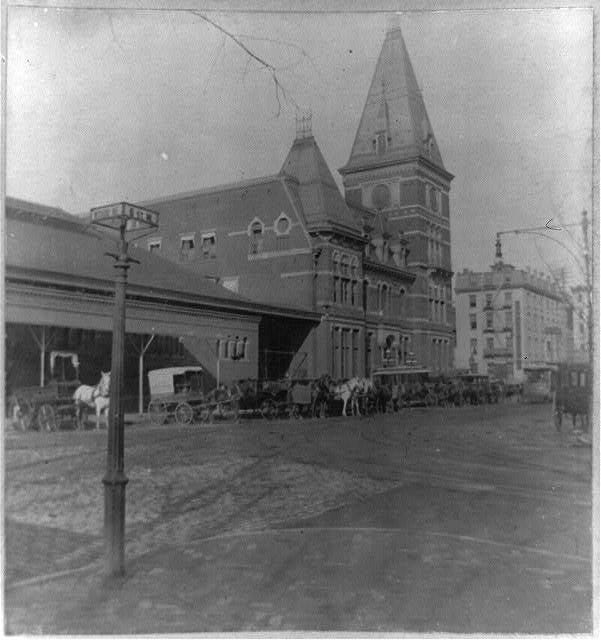
Charles Guiteau shot President James A. Garfield at the Baltimore & Potomac Railroad Depot in Washington. Guiteau, a delusional office-seeker convinced that God had chosen him, had stalked the president for weeks. The wound itself was survivable — the bullet lodged near the pancreas — but the doctors who probed for it with unwashed fingers infected the president with septicemia. Garfield died on September 19 after 79 days of medical torture. The assassination shocked Congress into passing the Pendleton Act of 1883, which finally ended the spoils system that had killed him.
1990: The Baltic Way Reaches Its Result
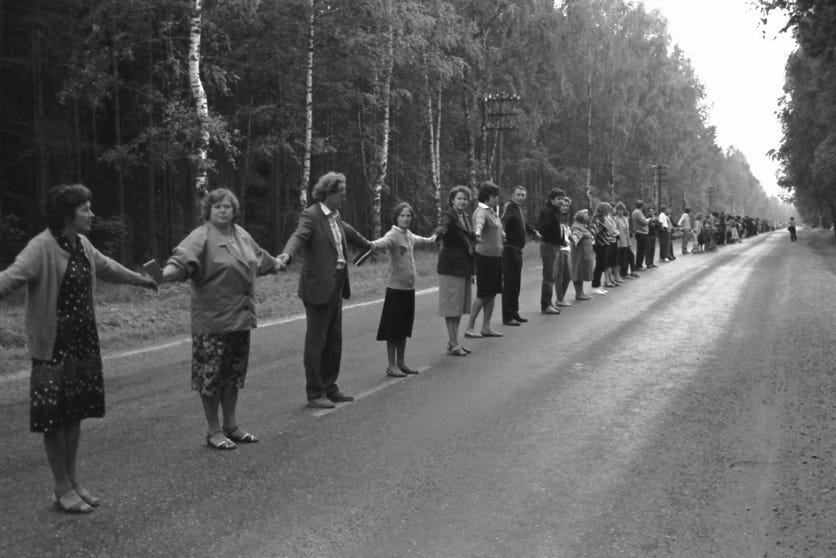
The Estonian Supreme Soviet declared the beginning of the country's transition to full independence, effectively the political result of the Singing Revolution that had swept the Baltic states over the previous three years. Two million people had joined hands across Estonia, Latvia, and Lithuania in the Baltic Way human chain the year before. Moscow's grip was breaking in slow motion. Within eighteen months the Soviet Union itself would be gone.
626: The Bloodiest Sunrise in Chinese Imperial History
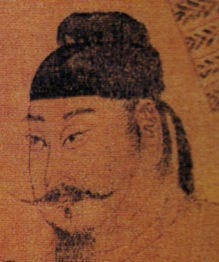
At the Xuanwu Gate of the imperial palace in Chang'an, Prince Li Shimin ambushed and killed his two brothers, then forced his father to abdicate. The coup made Li Shimin — Emperor Taizong — the second sovereign of the Tang Dynasty and set China on the path to what became its greatest classical golden age. Historians would later argue for centuries about whether the massacre had been strictly necessary. The dynasty it produced ruled for nearly three hundred years.
The paid section reveals the specific fraud that ended female suffrage in America — how many votes were cast, how many should have been, and the young Republican who introduced the 1807 law after riding into office on the women's votes he would soon destroy. Start your free 7-day trial to read the full account.
